
 Storm Preparedness
Power Outage Prep: How To Keep Your Home Running When the Grid Goes Down
Key Takeaways
Build an emergency supply kit before an outage occurs, and protect food, water, and essential household supplies.
Prepare your home in advance when severe weather is forecast, and know which home systems are most vulnerable during a power outage.
A whole-house generator like those from KOHLER provides automatic backup power for essential systems.
Planning ahead helps improve safety, comfort, and peace of mind during extended outages.
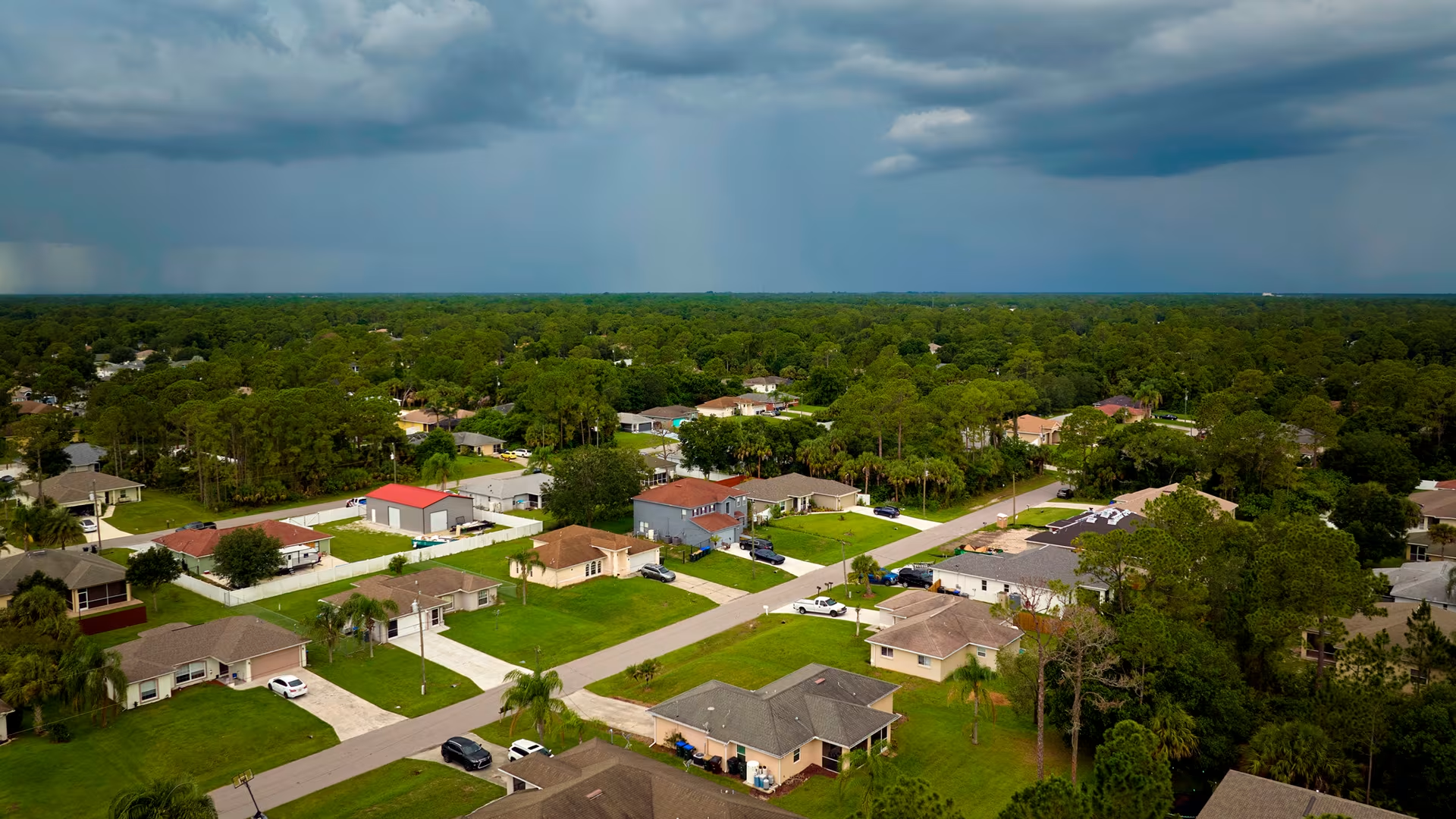
While some power outages occur without warning, others are caused by forecasted severe weather that gives homeowners time to prepare. Severe storms, hurricanes, winter weather, equipment failures, and increased demand on the electrical grid can all leave homes without electricity for hours or even days. While some outages are brief, others can disrupt daily life, damage property, and create safety concerns.
Having a power outage prep plan helps reduce stress and allows you to respond quickly when the lights go out. From assembling emergency supplies to protecting critical home systems, preparing before an outage occurs can make a significant difference for your family.
Build an Emergency Supply Kit
One of the first steps in preparing for a power outage is creating an emergency kit with enough supplies to last several days. Keep your supplies in an easily accessible location and check them periodically to replace expired items.
Consider including:
Bottled water
Nonperishable food
Flashlights
Extra batteries
A battery-powered or hand-crank weather radio
Portable phone chargers or power banks
Blankets and warm clothing
First aid supplies
Prescription medications
If you have pets or young children, be sure to include any additional supplies they may need.
Protect Your Food and Water
During a power outage, refrigerators and freezers quickly begin to warm. Keeping refrigerator and freezer doors closed as much as possible helps maintain safe temperatures for longer. A full freezer typically keeps food frozen for about 48 hours if left unopened, while a half-full freezer may only keep food frozen for about 24 hours.
If your home relies on a private well, remember that your well pump may stop working during an outage. Storing bottled water in advance helps ensure your household has access to safe drinking water if the outage lasts longer than expected.
Prepare Your Home Before Severe Weather
Many outages occur during severe weather events. Before a storm arrives, make it a point to:
Charge phones, laptops, and backup battery packs.
Fuel vehicles if evacuation becomes necessary.
Bring outdoor furniture and loose objects indoors.
Trim tree branches that could fall on power lines.
Locate flashlights instead of relying on candles.
Taking these steps before conditions worsen helps reduce stress once the power goes out.
Protect Essential Home Systems
Electricity powers many of the systems homeowners rely on every day. Depending on your home, a power outage may interrupt heating and cooling, refrigeration, sump pumps, well pumps, internet service, medical equipment, lighting, and security systems.
If anyone in your household depends on electrically powered medical devices, develop a backup plan before an emergency occurs. Knowing where you can relocate or how you'll maintain power can be critical during extended outages.
Consider a Whole House Generator
While emergency supplies are important, they cannot replace electricity for essential home systems. A whole-house generator offers an added layer of protection by automatically restoring power when utility service is interrupted.
Unlike portable generators, whole-house generators are permanently installed outside the home and connected directly to the electrical system and fuel supply. When an outage occurs, the automatic transfer switch detects the power loss, starts the generator, and restores power within seconds.
Because the system automatically restores power, homeowners don't have to go outside during severe weather to start a generator or connect extension cords.
With backup power in place, homeowners can continue using heating and cooling systems, refrigeration, lighting, communication devices, security systems, and other essential appliances without manually setting up equipment during dangerous weather.
Stay Safe During an Outage
Safety should remain your top priority until utility power has been restored.
Avoid using portable generators indoors or in garages because they produce carbon monoxide. Use flashlights instead of candles whenever possible to reduce fire risk, and unplug sensitive electronics to help protect them from power surges when electricity returns.
Continue monitoring weather alerts and local emergency information using a battery-powered radio or mobile device.
Plan Ahead for Peace of Mind
Power outages are becoming more common in many parts of the country due to severe weather, aging infrastructure, and increased demand on the electrical grid. While homeowners can't control when an outage will occur, they can control how prepared they are before it happens. Taking time to develop a family emergency plan, identify critical household needs, and review your backup power options can make recovering from an outage much easier.
Even simple preparations, such as knowing where flashlights are stored or keeping emergency supplies stocked, can save valuable time when the power goes out unexpectedly. When combined with a reliable whole-house generator, these preparations help ensure your home remains safe, comfortable, and functional during both short interruptions and extended outages. Find a KOHLER Home Generators dealer near you and stay prepared.
FAQs
How long do power outages typically last during severe weather?
Outage duration can vary widely, depending on the cause and severity of the weather event. Brief storms may cause outages lasting only a few hours, while major hurricanes or ice storms can leave homes without power for several days or even weeks. However, large-scale weather events can affect thousands of homes simultaneously, and utility crews may take longer than usual to restore service in heavily impacted areas.
Is a whole-house generator safer than a portable generator?
Both types of generators can be used safely when operated correctly, but whole-house generators offer some distinct safety advantages. Because they are permanently installed outdoors and connected directly to your home's electrical system, there is no need to run extension cords or operate equipment near the home during dangerous weather conditions. Portable generators should never be used indoors or in enclosed spaces like garages, due to the risk of carbon monoxide poisoning. A whole-house generator's automatic transfer switch also eliminates the need to go outside in hazardous conditions to restore power.
How do I know if my home's electrical system is compatible with a whole-house generator?
The best way to determine compatibility is to have a qualified generator dealer or electrician assess your home's electrical system. They will evaluate your electrical panel, calculate your home's power load requirements, and identify any upgrades needed to support a whole-house generator installation. Factors such as panel capacity, available space for the transfer switch, and local permitting requirements all play a role in the installation process. Working with a qualified professional helps ensure the system is properly sized and safely installed for your specific home.
