
 Storm Preparedness
The Case for a Whole House Generator For Hurricane-Prone States
Key Takeaways
Hurricanes frequently cause extended power outages that can last for days or weeks.
A whole house generator automatically restores power when the electrical grid fails.
Automatic backup power helps maintain heating, cooling, refrigeration, security systems, and medical equipment.
For homeowners in hurricane-prone states, a whole house generator offers long-term protection, convenience, and peace of mind.
Hurricanes are among the most destructive weather events homeowners face. Beyond high winds, heavy rain, storm surge, and flooding, they often leave entire communities without power for hours, days, or even weeks. For homeowners living along the Atlantic and Gulf Coasts, losing electricity is more than an inconvenience. It can affect safety, comfort, communication, and the ability to protect your home.
A whole house generator provides reliable backup power when the electrical grid fails, automatically restoring electricity to your home without the need for manual setup or refueling. Many homeowners in hurricane-prone states view a whole-house generator as a long-term investment in safety, convenience, and home protection.
Why Hurricanes Often Cause Long Power Outages
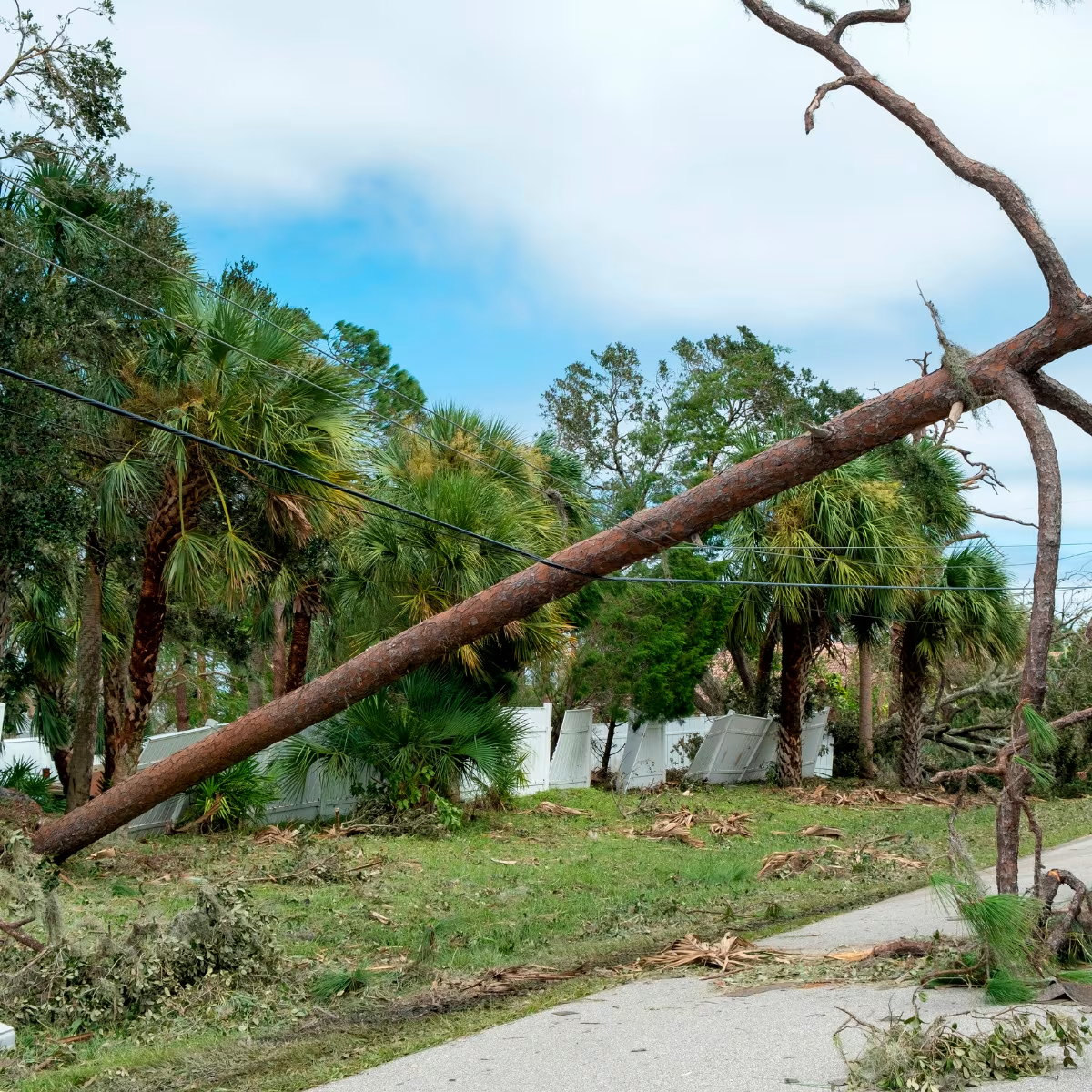
Hurricanes place enormous strain on the electrical grid. High winds can knock down trees and power lines, flooding can damage substations, and debris can interfere with repair efforts. Even after the storm passes, utility crews may need days or weeks to restore service across large areas.
During this time, homeowners may lose access to heating or air conditioning, refrigeration for food and medications, running water in homes with well pumps, internet and communication devices, medical equipment, security systems, lighting, and other essential appliances. Having a backup power solution helps keep these critical systems operating while utility crews work to restore service.
Because hurricane outages often affect thousands of homes simultaneously, restoration may take longer than expected. Having a backup power solution keeps your home functioning while the utility grid is repaired.
What Are the Benefits of a Whole-House Generator During Hurricane Season?
Unlike portable generators, a whole-house generator is permanently installed outside your home and connected directly to your electrical system and fuel supply.
When utility power is interrupted, the generator's automatic transfer switch detects the outage, starts the generator, and transfers your home's electrical load within seconds. Once utility power returns, the system safely switches your home back to the electrical grid and shuts the generator down automatically.
This automatic operation means homeowners don't have to go outside during dangerous weather conditions to restore power.
Continuous Comfort
In many hurricane-prone states, temperatures remain hot and humid long after the storm passes. Without electricity, indoor temperatures can quickly become uncomfortable or even dangerous.
A whole-house generator can continue powering:
Air conditioning
Ceiling fans
Refrigerators and freezers
Lighting
Wi-Fi and communication devices
Maintaining a comfortable indoor environment is especially important for young children, older adults, and individuals with medical conditions.
Protecting Your Home
Aside from the inconvenience, power outages can lead to expensive property damage. Backup power helps keep important systems operating, including:
Sump pumps that prevent basement flooding
Well pumps that supply water
Security systems
Garage door openers
Smoke and carbon monoxide alarms
Maintaining power to these systems can reduce the risk of costly repairs after the storm.
Preventing Food Loss
Extended outages often result in hundreds of dollars of spoiled refrigerated and frozen food. A full freezer generally keeps food safely frozen for about 48 hours if left unopened, while a half-full freezer lasts about 24 hours.
A whole-house generator keeps refrigerators and freezers running throughout the outage, helping protect groceries and reduce unnecessary waste.
Supporting Medical Needs
Many households depend on electrically powered medical equipment such as oxygen concentrators, CPAP machines, refrigerated medications, or mobility devices.
Reliable backup power provides added peace of mind by helping ensure these essential medical needs continue operating even when utility service is interrupted.
The Bottom Line: Is a Whole House Generator Worth It?
For homeowners living in hurricane-prone states, many view a whole house generator as a long-term investment in safety, convenience, and home protection.
While installation costs vary depending on generator size, fuel type, and electrical requirements, many homeowners find the investment worthwhile because it helps:
Reduce disruptions during extended outages
Protect essential home systems
Prevent food spoilage
Support medical equipment
Improve peace of mind during hurricane season
Every home's power needs are different, so working with a qualified dealer helps ensure the generator is properly sized and installed for reliable performance. Find a KOHLER Home Generators dealer near you.
FAQs
What size whole house generator do I need for my home?
The right generator size depends on the total electrical load of the appliances and systems you want to power during an outage. A qualified dealer will typically conduct a load assessment to calculate your home's power requirements, taking into account essentials like air conditioning, heating, refrigeration, well pumps, and any medical equipment. Whole-house generators are available in a range of sizes, and proper sizing helps ensure the unit can handle your home's demand without being over- or under-powered.
What fuel options are available for a whole house generator?
Whole-house generators are most commonly powered by natural gas or liquid propane. Natural gas units connect directly to your home's existing gas supply line, providing a continuous fuel supply without on-site storage. Propane-powered generators draw from a storage tank installed on your property, which needs to be monitored and refilled as needed. The best fuel choice depends on what utilities are available at your home and your preferences for fuel storage and convenience.
How disruptive is the installation process for a whole house generator?
Installation requirements vary depending on the generator's size, your home's electrical system, and local permitting requirements. In general, installation involves placing the generator unit on a pad outside your home, connecting it to your fuel supply, and installing an automatic transfer switch in your electrical panel. A qualified installer will handle permitting, inspections, and code compliance. Most installations can be completed within 1 to 2 days, though the timeline may vary depending on permit processing times and site-specific conditions.
