
 Generators 101
How a Whole-House Generator Works
Key Takeaways
A whole-house generator automatically restores electricity to your home within seconds of a power outage.
The system relies on several components, including the generator unit, fuel supply, and automatic transfer switch, to provide seamless backup power.
Unlike portable generators, standby systems are permanently installed and operate automatically without manual setup.
Whole-home generators can run for extended periods during outages, depending on fuel supply and system size.
When the power goes out, homeowners often face immediate disruptions, from losing lighting and refrigeration to shutting down heating, cooling, or medical devices. A whole-house generator is designed to restore electricity quickly and automatically, helping maintain safety, comfort, and everyday routines during an outage.
Unlike portable generators that require manual setup and monitoring, whole-home generators are permanently installed systems connected directly to your home’s electrical system. When utility power fails, the generator automatically starts and begins supplying electricity within seconds.
Understanding how a whole-house generator works can help homeowners make informed decisions about backup power solutions and determine whether a standby generator is the right investment for their home.
What Is a Whole-House Generator?
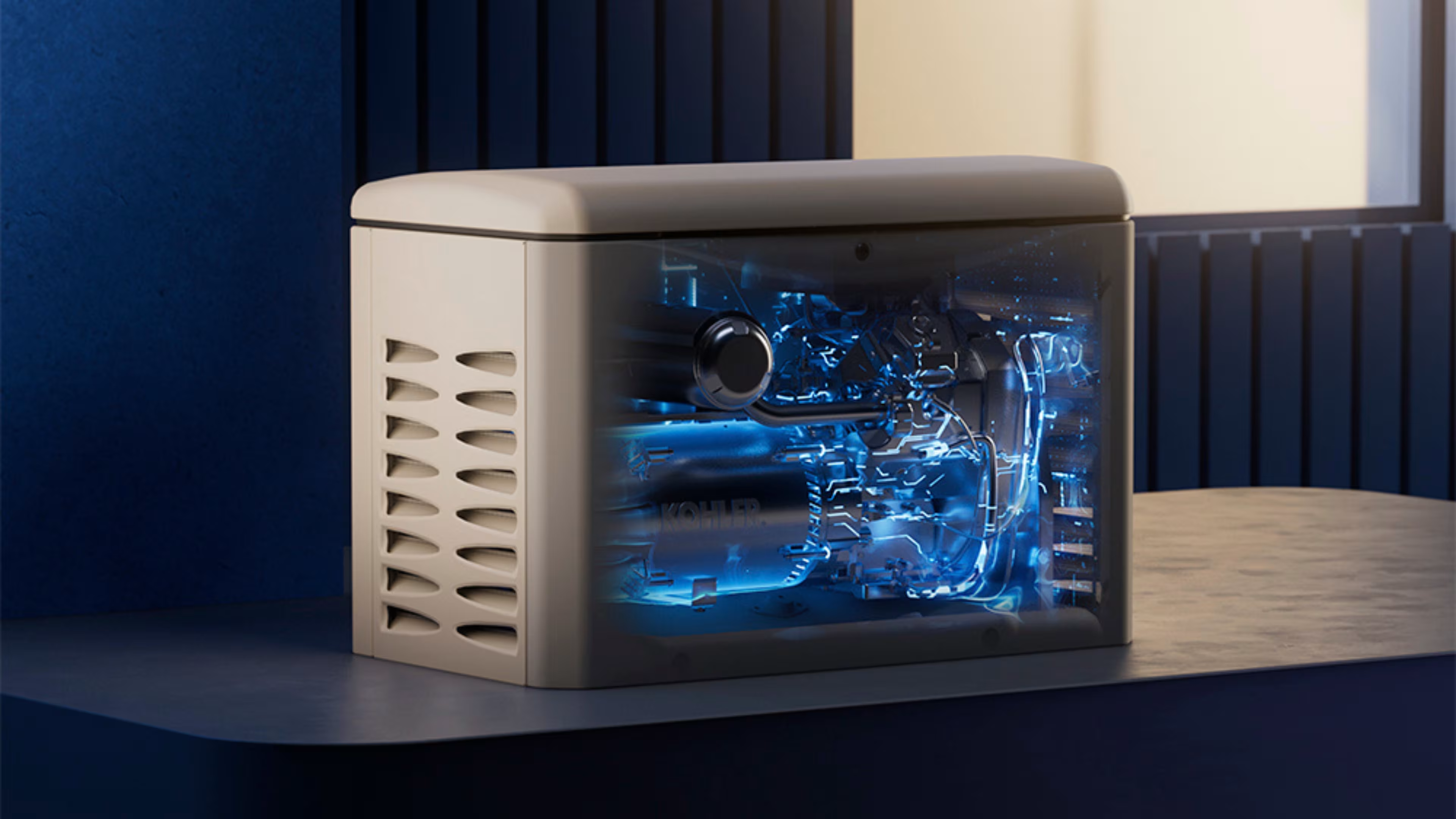
A whole-house generator, often called a standby generator, is a permanently installed backup power system that automatically supplies electricity to your home when the utility grid goes down.
These systems are designed to operate seamlessly without manual setup.
Key characteristics of whole-house generators include:
Permanently installed outside the home
Connected directly to the home’s electrical panel
Powered by natural gas or propane
Automatically activated when a power outage occurs
Because standby generators connect directly to the home’s electrical system, they can power multiple appliances and systems simultaneously.
This makes them very different from portable generators, which typically require manual fueling, extension cords, and manual startup. With a standby generator, backup power begins automatically—even if no one is home when the outage occurs.
The Key Components of a Standby Generator System
A whole-house generator system includes several important components that work together to provide reliable backup electricity.
Generator Unit
The generator unit contains an internal combustion engine that produces electricity when fuel is burned. This engine converts mechanical energy into electrical power that can run household appliances and systems.
Modern standby generators are designed for outdoor installation and are built to operate reliably in a variety of weather conditions.
Automatic Transfer Switch (ATS)
The automatic transfer switch is one of the most critical components of the system. It constantly monitors the flow of electricity from the utility grid.
According to the Pacific Northwest National Laboratory, automatic transfer switches are designed to detect power loss and safely transfer electrical load to a backup generator so buildings can continue receiving electricity during an outage.
When a power outage occurs, the transfer switch detects the loss of electricity and signals the generator to start. It then safely transfers the electrical load from the utility grid to the generator
Fuel Source
Standby generators typically operate on either:
Natural gas, supplied through a municipal gas line
Propane, stored in an on-site tank
Natural gas systems can run continuously as long as the gas supply remains available. Propane generators can also run for extended periods depending on tank size and energy demand.
Electrical Panel Connection
The generator connects directly to your home’s main electrical panel. This connection allows the electricity produced by the generator to be distributed safely throughout the home.
During installation, electricians determine which circuits will receive generator power. Some systems power the entire home, while others prioritize essential appliances and systems.
What Happens When the Power Goes Out?
One of the biggest advantages of a whole-house generator is how quickly and automatically it responds during a power outage.
When utility power fails, the standby generator system begins operating in a matter of seconds.
Here’s how the process works:
The automatic transfer switch detects the outage.
The system constantly monitors incoming utility electricity and immediately recognizes when power stops flowing.
The generator engine starts automatically.
Once the outage is detected, the generator begins running using its fuel source.
The transfer switch disconnects the home from the grid.
This step prevents electricity from the generator from feeding back into utility lines.
The generator supplies electricity to the home.
Power flows through the electrical panel and restores electricity to connected systems.
When utility power is restored, the system automatically switches back to grid power and shuts down the generator.
For homeowners, this entire process happens automatically—often so quickly that disruptions are minimal.
How Long Can a Whole-House Generator Run?
A whole house generator can run continuously as long as there is a reliable fuel supply and oil is checked periodically according to manufacturer recommendations.
Standby generators are specifically designed for extended operation, making them well-suited for prolonged outages caused by severe weather or grid disruptions. Systems connected to natural gas can run indefinitely while fuel is available, while propane-powered generators can operate for extended periods depending on tank size and load demand.
Importantly, KOHLER generators are engineered for continuous use and do not require a cool-down period during extended outages.
To maintain performance and reliability over time, homeowners should:
Check oil levels periodically
Follow recommended maintenance schedules
Ensure a consistent fuel supply
With proper maintenance and routine monitoring, a whole house generator can continue running safely for as long as needed, delivering dependable backup power throughout the duration of an outage.
What Does a Whole-House Generator Power?
The amount of electricity a generator can supply depends on the size of the generator and the home’s electrical configuration.
Depending on the system installed, a whole-house generator can power:
Heating and cooling systems
Refrigerators and freezers
Lighting and outlets
Well pumps
Security systems
Internet and communication devices
Medical equipment
Some systems are designed to power the entire home, while others focus on essential circuits to conserve energy and extend runtime.
Why Automatic Backup Power Matters
Power outages can happen unexpectedly due to severe weather, equipment failure, or grid disruptions. When they occur, automatic backup power can make a significant difference in how quickly a home recovers.
The key advantage of a whole-house generator is automation. Homeowners do not need to:
Refuel equipment manually
Run extension cords
Start the generator themselves
Monitor the system during the outage
Instead, the system activates automatically and delivers electricity directly to the home.
Automatic backup power can help:
Maintain comfort during storms
Prevent food spoilage
Protect appliances and electronics
Support safety systems and medical equipment
Reduce stress during extended outages
For many homeowners, this reliability provides valuable peace of mind.
Reliable Power, Designed to Respond
A whole-house generator works by automatically detecting power outages, starting within seconds, and delivering electricity directly to your home’s electrical system.
With professionally installed components and a steady fuel supply, standby generators provide dependable protection during unexpected outages. Understanding how these systems work highlights why many homeowners choose whole-home generators as a long-term backup power solution.
If you’re considering installing a generator, you can explore available models or request a free quote to find the right system for your home.
