
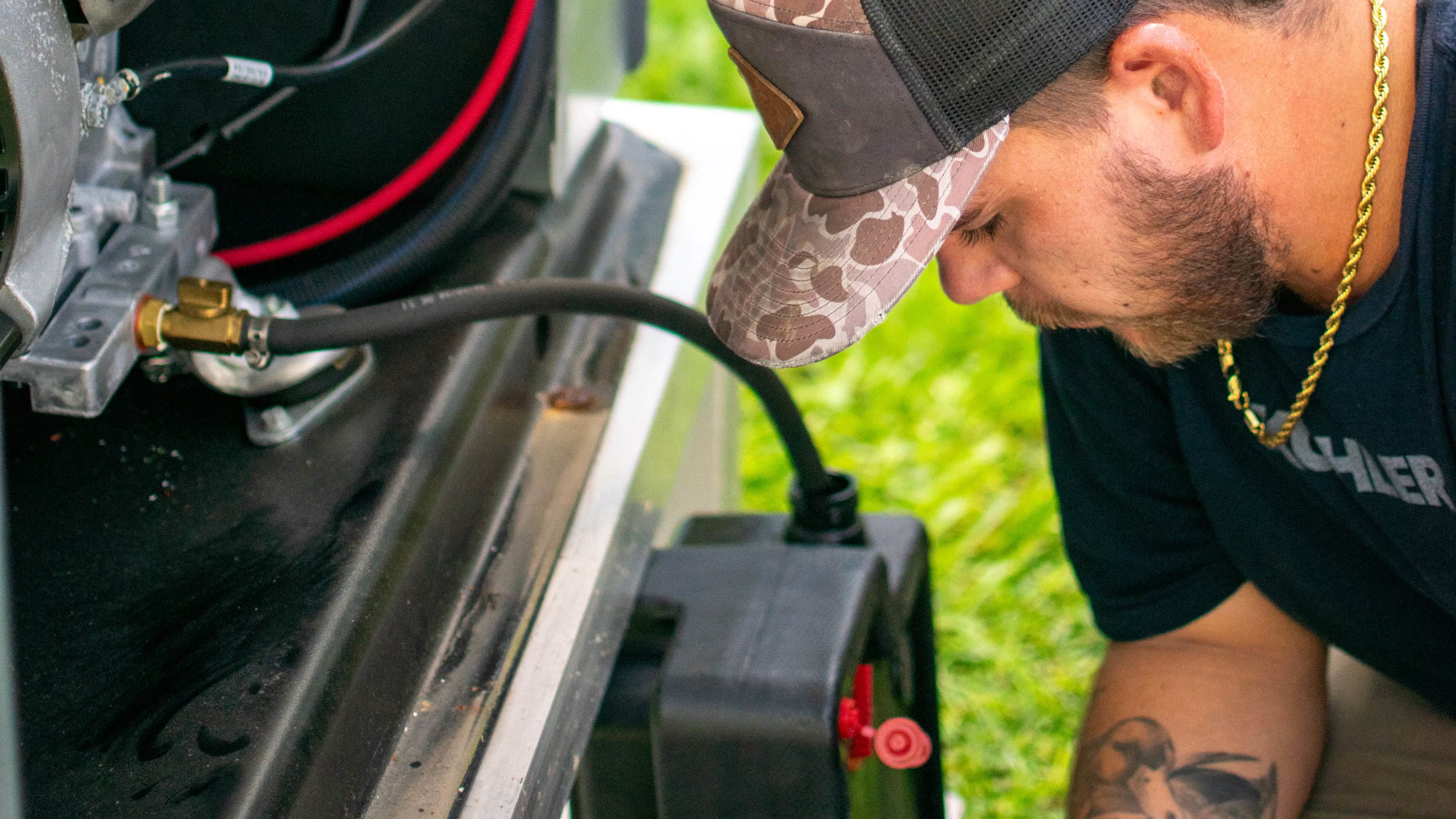
 Installation & Maintenance
How Often Should You Service a Home Generator?
Key Takeaways
Most standby generators should receive professional service at least once per year, even if they haven’t been used during an outage.
A proper generator maintenance schedule typically includes oil changes, inspections, diagnostics, and load testing.
Routine home generator maintenance helps ensure reliable startup, longer equipment lifespan, and reduced risk of unexpected failures.
Following manufacturer-recommended service intervals helps maintain safe operation and warranty protection.
A standby generator is designed to deliver dependable backup power when outages occur. Whether power is lost during severe storms, grid failures, or extreme weather, homeowners rely on their generator to start automatically and keep essential systems running.
However, like any engine-powered system, generators require routine care to perform reliably over time.
Following a consistent generator maintenance schedule helps ensure:
Reliable startup during outages
Longer engine and system lifespan
Reduced risk of unexpected performance issues
Continued warranty compliance
Preventive maintenance isn’t just a recommendation—it’s a key part of protecting your investment in backup power.
Homeowners considering a new standby system can explore available home generators, where you can compare systems designed to provide automatic whole-home backup power.
Understanding Your Generator Maintenance Schedule
A generator maintenance schedule outlines the inspections, servicing, and testing required to keep a standby generator operating safely and efficiently. Maintenance schedules are typically based on several factors, including:
Annual service requirements
Total runtime hours
Fuel type, such as natural gas or propane
Environmental conditions like humidity or extreme temperatures
How frequently the generator operates
Most standby generators follow both time-based and usage-based service intervals, meaning maintenance may be recommended annually as well as after a certain number of runtime hours.
These intervals help ensure that key components—such as the engine, battery, alternator, and fuel system—remain ready to operate when an outage occurs.
How Often Should You Service a Home Generator?
While maintenance intervals vary slightly depending on the manufacturer and model, most residential standby generators follow a similar schedule.
Annual Maintenance (Recommended Minimum)
Most homeowners should schedule professional generator service at least once per year.
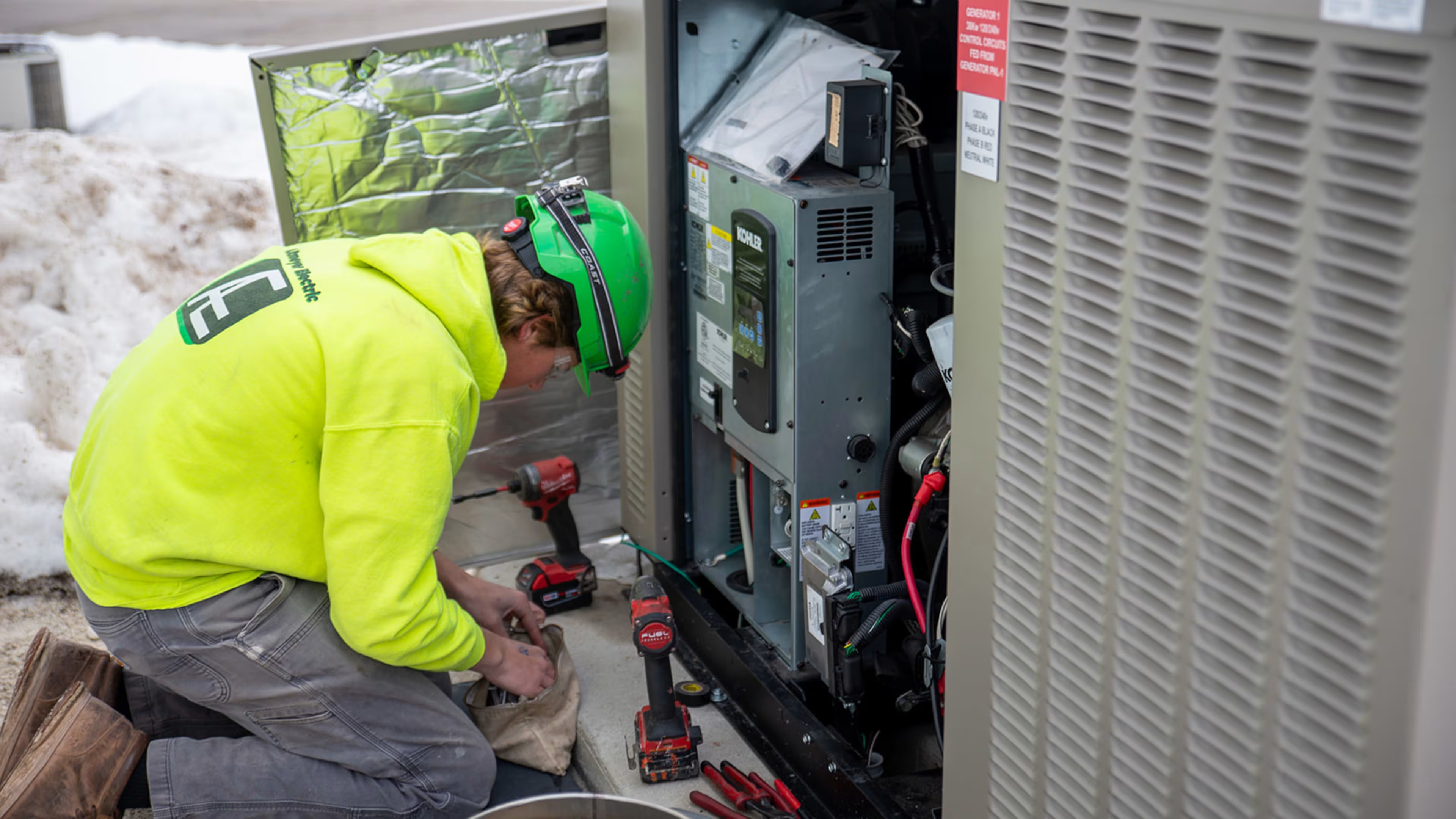
During an annual maintenance appointment, technicians typically perform:
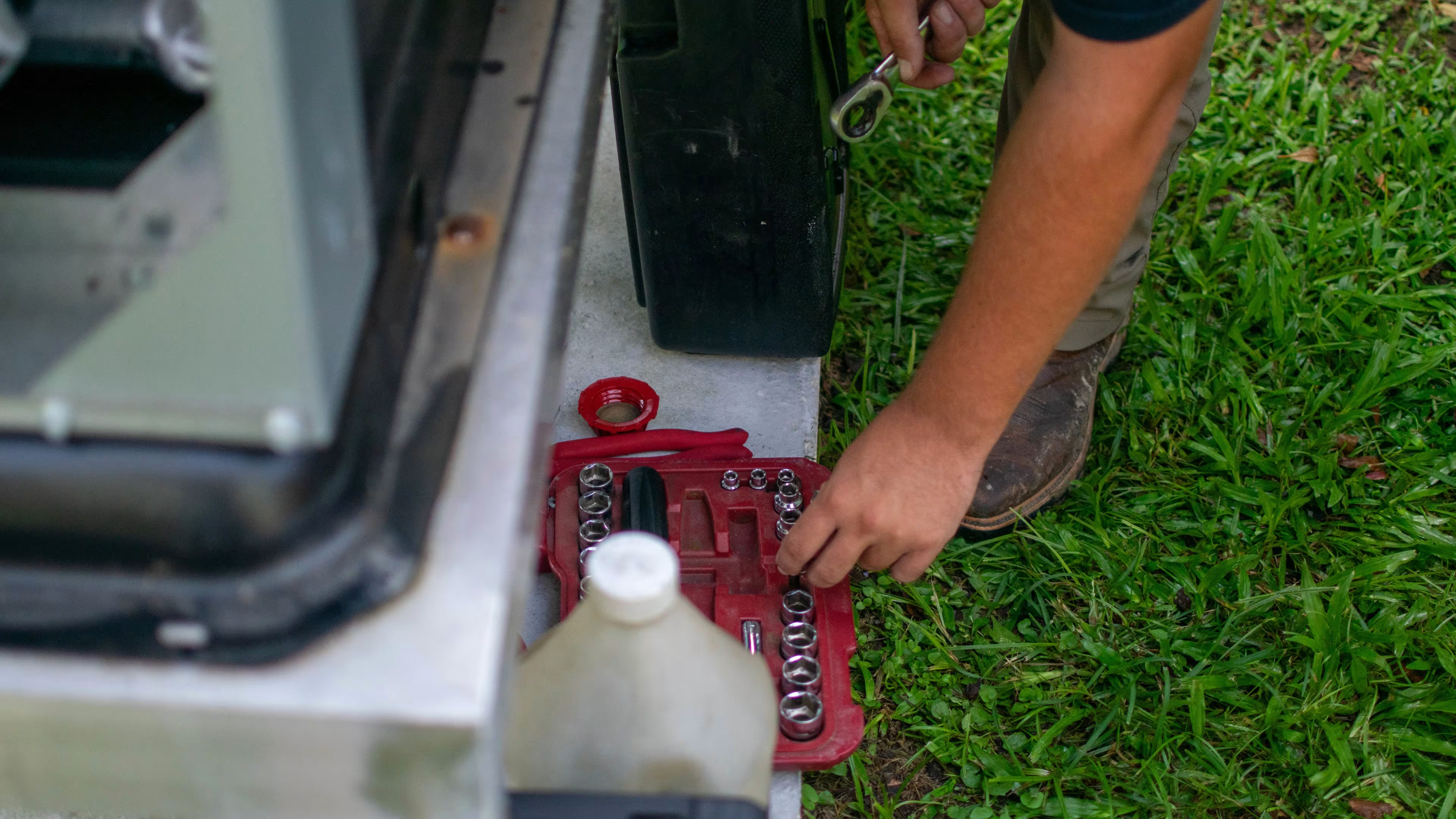
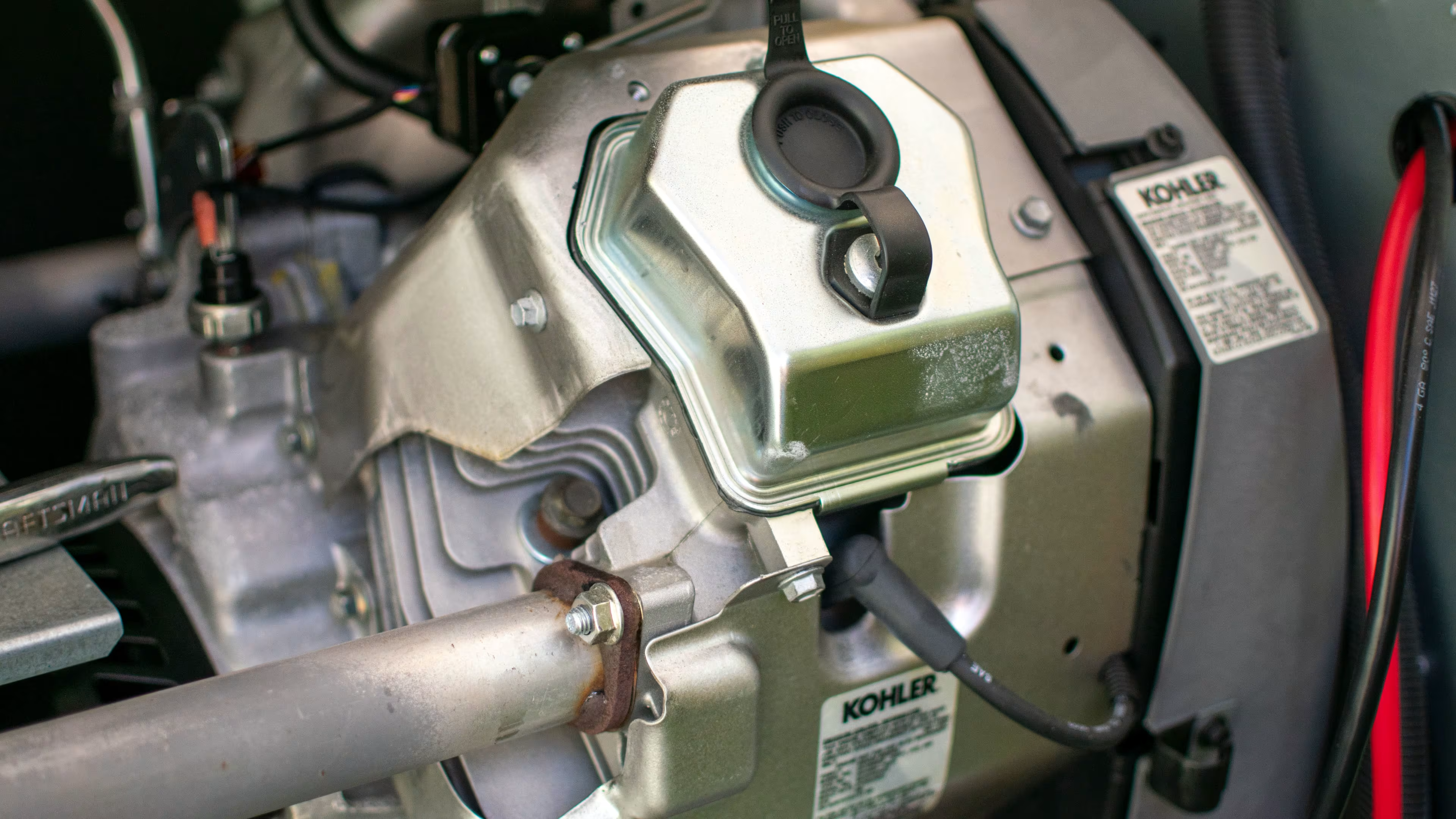
Engine oil and filter replacement
Air filter inspection or replacement
Spark plug inspection
Battery testing
Fuel system inspection
Electrical connection checks
Control panel diagnostics
Full operational load testing
Even if your generator hasn’t run during an outage, annual maintenance is still recommended. Systems that remain idle for long periods still require inspections to ensure components remain ready for operation.
Guidance from the Federal Emergency Management Agency (FEMA) also emphasizes that generators used for emergency power require routine servicing—including oil changes, inspections, and operational testing—to maintain reliability during extended outages.
Every 100–200 Hours of Runtime
Generators that run frequently—such as during long outages or in areas with unstable electrical grids—may require additional service based on runtime hours.
Typical maintenance performed during these intervals includes:
Oil changes
Air filter inspection
Engine inspection
System performance checks
Monitoring runtime hours helps ensure the generator continues to operate efficiently during extended operation.
What Happens If You Skip Generator Maintenance?
Skipping routine generator maintenance can lead to performance issues that may not become apparent until the system is needed during an outage.
Potential risks include:
Delayed or failed generator startup
Increased engine wear and reduced lifespan
Fuel system issues or clogged filters
Reduced electrical output during operation
Battery failure or electrical faults
Because standby generators often sit idle for extended periods, preventive maintenance plays an important role in keeping the system reliable. Regular servicing helps ensure your generator performs as expected when it matters most.
Factors That May Affect Your Maintenance Schedule
While annual service is sufficient for many homeowners, certain conditions may require more frequent maintenance.
Examples include:
Homes located in coastal or high-humidity environments
Regions with extreme hot or cold temperatures
Generators that run frequently due to grid instability
Homes with large electrical loads or whole-home backup systems
Properties exposed to dust, debris, or heavy pollen
A certified service technician can help determine whether your generator requires a more customized maintenance schedule based on your environment and usage.
DIY Maintenance vs. Professional Service
Homeowners can perform a few simple visual checks between professional service visits, but most generator maintenance should be completed by trained technicians.
Basic homeowner checks may include:
Ensuring the generator area remains clear of debris or vegetation
Monitoring system alerts or status indicators
Checking that airflow around the generator enclosure remains unobstructed
Listening for unusual sounds during routine self-tests
However, professional service ensures:
Accurate diagnostics and system testing
Proper oil and filter replacement
Safe electrical inspections
Compliance with manufacturer warranty requirements
Professional inspections provide added confidence that your backup power system will perform as expected during emergencies.
Stay Ahead with a Consistent Maintenance Schedule
A consistent generator maintenance schedule is one of the most effective ways to protect your backup power system.
By scheduling regular service and following manufacturer-recommended intervals, homeowners can help ensure their generator:
Starts automatically during power outages
Operates efficiently during extended use
Maintains long-term reliability and durability
Preventive maintenance today supports dependable performance tomorrow.
If you’re considering installing a standby generator, you can request a free quote for a KOHLER generator and find the right backup power solution for your home. Already a KOHLER customer? Schedule generator maintenance today.
